
K-8 Students are now eligible for Indiana School Choice Vouchers for 2026-2027!
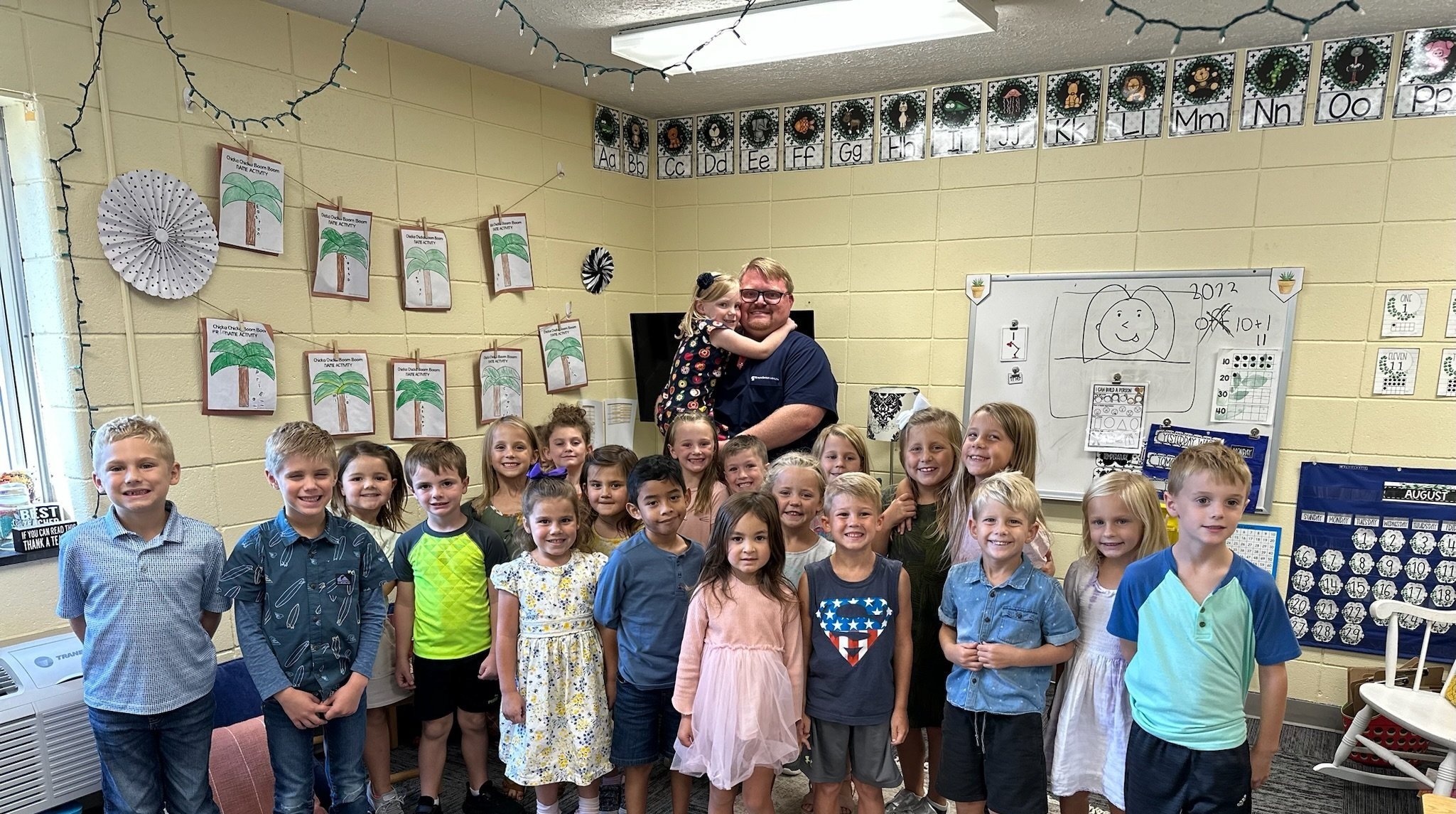
Elementary (K-3rd)
Building Strong Foundations for Faith and Learning
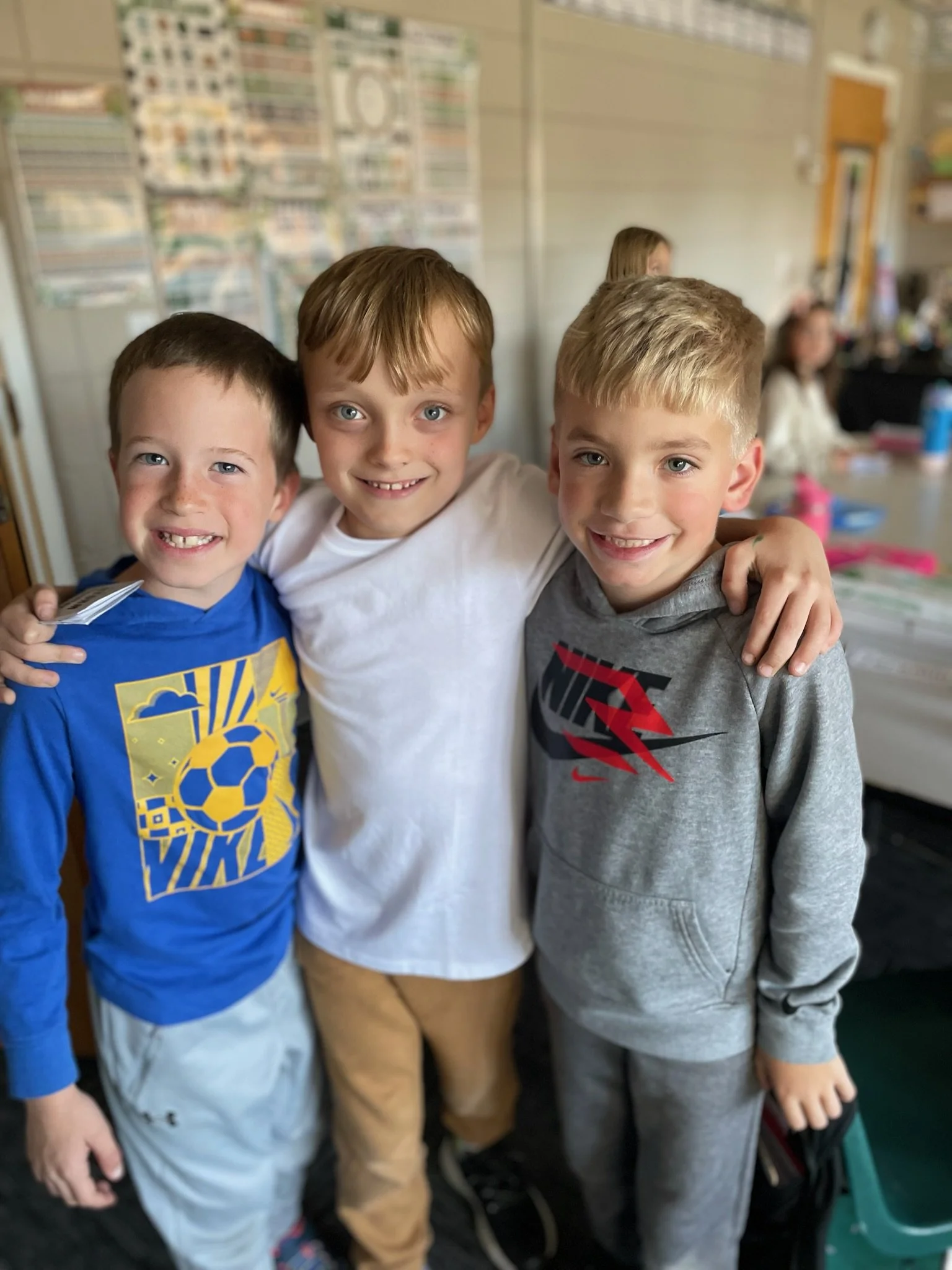
In Lower Elementary, small class sizes allow teachers to notice when a child needs extra encouragement, additional practice, or a greater challenge. Students are not simply one name among many; they are known personally by teachers who care about their academic progress, spiritual growth, friendships, and confidence.
The hybrid model works best when parents and teachers operate as a team. Families are expected to participate actively in home-learning days, communicate openly, reinforce classroom expectations, and help students develop responsibility for their work and behavior.
Our Lower Elementary Program Emphasizes
Systematic phonics and early reading development
Reading fluency, comprehension, and vocabulary
Foundational writing, grammar, and handwriting skills
Number sense and mathematical problem-solving
Hands-on science and social studies experiences
Bible instruction and Christlike character development
Classroom routines, responsibility, and independence
Developmentally appropriate movement and creativity
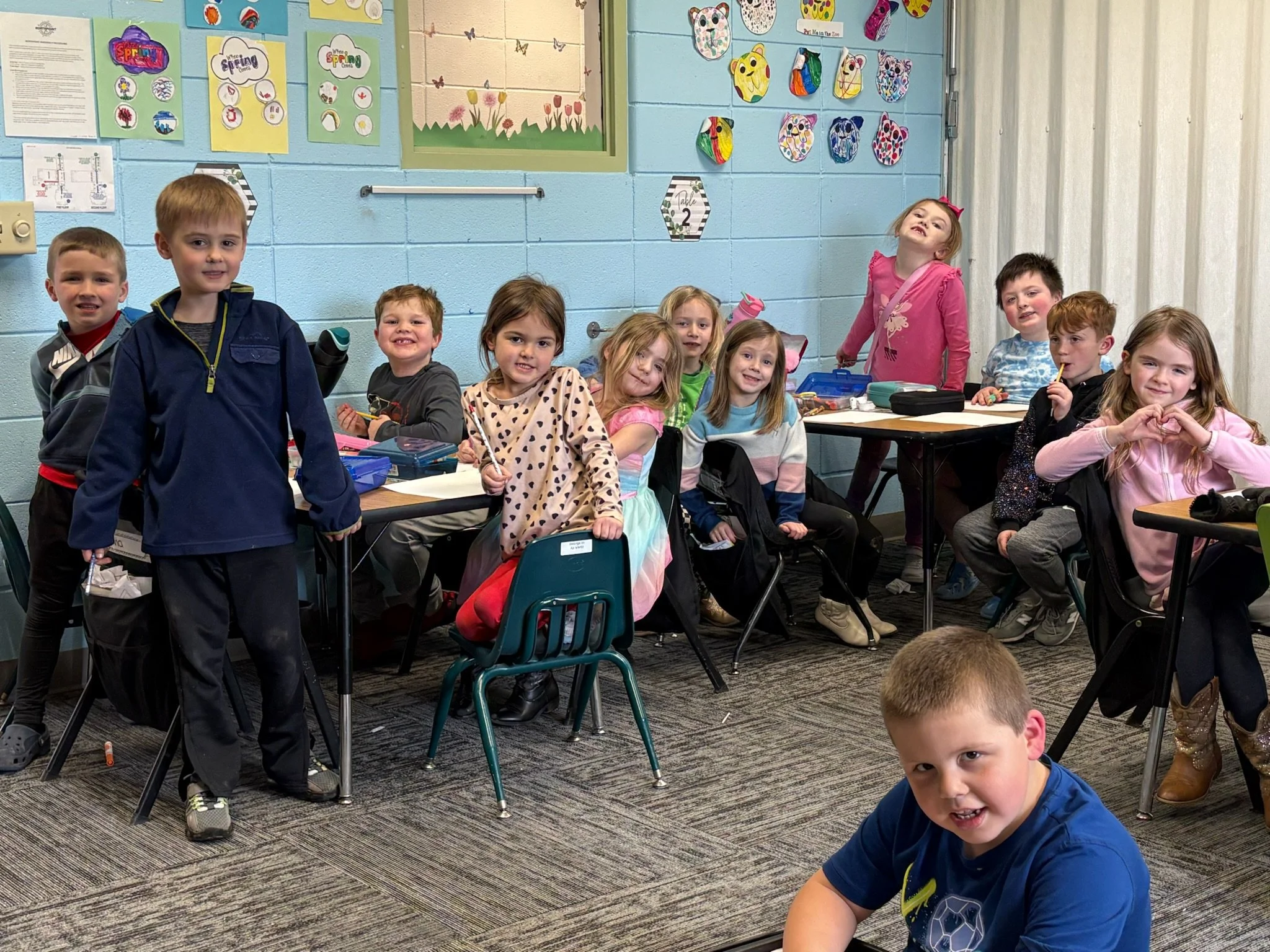
Course Descriptions
-
Teachers: Brenda Britton & Ana Allen
Kindergarten is the first impression of school some students will experience. This year is a time when they observe, discover, and make sense of the world around them. Through exploration and investigation, many concepts necessary at this level will be developed and mastered.
Bible
Great Bible stories of the Old and New Testaments will be read and discussed. Scripture memory and character traits taught in the Bible will be incorporated throughout the year.
Language Arts (Phonics, Reading, Handwriting)
The curriculum covers the entire alphabet, including recognizing/writing letters and identifying sounds. Phonics-based word recognition and reading at an early age are encouraged. In kindergarten, some children will become independent readers. Focus is given to patterns in print, such as direction, capitalization, and end punctuation. Speaking, listening, and conversational skills will be emphasized as well. Children will learn to respond to others using complete sentences and will be given daily opportunities to speak in front of a group. Listening to great literature and memorizing poetry will be included in each school day.
Math
Children will become familiar with the ten basic digits and higher numerals by counting and grouping objects. Basic money and geometric concepts are introduced as well as units of time and beginning addition. Primary math is approached through analytical reason, manipulatives, memorization, and drill.
Science
Through various hands-on experiences, children will explore their natural curiosity about basic science concepts. Topics may include but are not limited to plants, animals, seasons, weather, air, water, and kitchen science.
Social Studies
Children will explore their relationships within the family, neighborhood, and community. They will learn about holidays, celebrations, basic map skills, and the concept of time as it relates to people and events of the past, present, and future.
Enrichment - K/1
This hour will focus on a variety of learning experiences, which will include developing a love for reading. We will share quality literature and picture books along with games and activities designed to develop our reading skills. Other areas of interest may include but are not limited to basic Spanish vocabulary and beginning conversation, famous artists and composers along with their cultural backgrounds, and seasonal and holiday themes that occur throughout the year.
-
Teachers: Ali Wentz & Dawn McGraw
First grade is a year of important transitions — children leave behind much of the play of kindergarten and dive into developing deeper academic skills. First graders progress from having beginner reading and writing skills to becoming independent readers and writers.
Bible
We read Bible stories, memorize scripture, sing hymns, and have prayer time.
Language Arts
Students practice phonics, reading, handwriting, creative writing, spelling and language skills. They will follow the Abeka curriculum, but also play learning games, work on independent centers, and write in their journals, along with many other activities.
Mathematics
Students practice number recognition, counting, writing 1-1000, addition and subtraction facts through 13, money, place value, graphs, measurements, time, and temperature. They will follow the Abeka curriculum, but also use manipulatives, hands-on activities, and games to practice their skills.
Science
Students learn by observing, exploring, and experimenting with God’s amazing creations. Some topics studied might include bats, butterflies, arctic animals, and weather.
Social Studies
Students will learn about geography, early settlers, ancient civilizations, and the history of various holidays.
Enrichment - K/1
This hour will focus on developing a love for reading, learning basic Spanish and ASL, and 'meeting' famous artists and composers. We will share quality literature and picture books along with games and activities designed to develop our reading skills. We will learn basic Spanish and ASL vocabulary and beginning conversation. Finally, we will study famous artists and composers along with their cultural backgrounds.
-
Teachers: Ashley Roembke
The second grade core includes Math, Language Arts, Bible, Handwriting, Science and Social Studies. The language arts program has a solid phonics base and we use fun literature to support the learning. The students become fluent readers this year and gain knowledge through reading comprehension. The children will gain more interest in reading through the 2nd grade reading club. Each month the students read a different book and will have a book club review at the end of each month. In math, your child will become an analytical thinker and use his/her thinking skills in more of the math problems. Their skill and speed will increase with addition and subtraction, telling time, counting money, and the fundamentals of multiplication.
-
Teacher: Alex Armbrust
In preparation for the intermediate grades, students will refine basic fine motor skills and lay the foundations for future studies in language arts, math, American history, and science. Creative writing, brief essays, cursive handwriting, grammar and spelling will be covered in the language arts curriculum. Spanning the years from Columbus to modern day, a variety of literature, writing, and hands-on activities will encompass the history lessons. While the science studies combine experiments, projects, detailed sketches and laboratory notes. Bible and mathematics round out the block subjects for 3rd graders.
Want More Information?
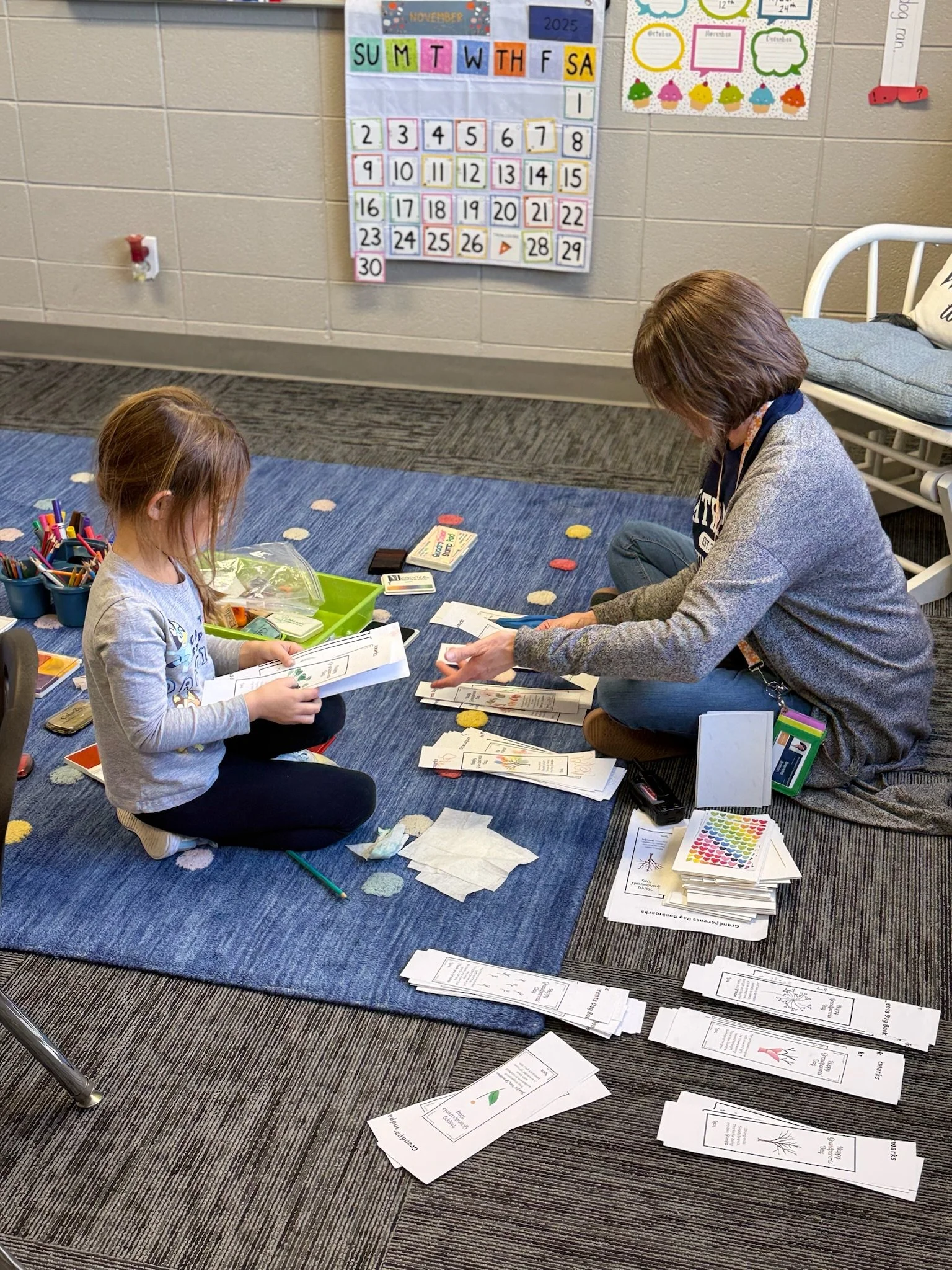
Kindergarten
Kindergarten provides a thoughtful transition into formal education. Students begin building academic routines while growing in confidence, communication, independence, and their understanding of what it means to be part of a Christian classroom community.
1st Grade
First-grade students strengthen foundational reading and math skills while becoming increasingly confident and independent learners. Instruction includes meaningful practice, hands-on activities, read-alouds, written expression, and opportunities to apply new concepts.
2nd Grade
Second grade helps students move from learning foundational skills toward using those skills more independently. Students continue strengthening reading fluency and comprehension, written communication, mathematical reasoning, and personal responsibility in preparation for the important transition into third grade.
3rd Grade
Third-grade students are given increasing independence while continuing to receive close guidance and support. Because classes remain small, teachers can provide meaningful feedback, recognize individual learning needs, and maintain strong communication with parents.